A piece of AI-generated content spreads faster than anyone can verify where it actually came from. By the time a marketing team, a legal team, or a newsroom asks whether an image or video is genuine, the honest answer is often that no one can say for certain. Trusting content at face value has stopped being a safe default.
Recent industry momentum around AI trust has connected this problem to a specific cryptographic standard: the Coalition for Content Provenance and Authenticity, known as C2PA. It gives content creators a way to attach verifiable, tamper-evident origin data to an image, video, or document at the moment it is created, rather than trying to authenticate it after the fact.
This explainer breaks down C2PA content provenance for marketing, legal, and security teams: how signing at creation works, what a provenance chain actually records, and where enterprises get real value from it in misinformation defense and brand protection.
Quick Answer: What Does C2PA Content Provenance Prove?
C2PA content provenance cryptographically proves where a piece of digital content came from and whether it has been altered since creation. It works through four pillars: signing content at the moment of creation, maintaining a provenance chain across every edit, embedding tamper-evident metadata, and letting anyone downstream verify that chain before trusting the content.
Key Takeaways
- Content provenance answers a question face-value trust cannot: where did this actually come from, and has it been changed.
- Signing at the point of creation is what makes provenance verifiable rather than a claim added after distribution.
- A provenance chain records every edit cryptographically, so alterations are detectable rather than assumed absent.
- Tamper-evident metadata is designed to reveal, not just resist, attempts to strip or falsify content history.
- Enterprises use content provenance defensively, to prove what they actually published and detect misattributed content.
Why AI-Generated Content Needs Cryptographic Provenance
The Problem With Trusting Content at Face Value
Generative tools have made convincing synthetic content trivially easy to produce, which means the traditional assumption that an image or video is what it appears to be no longer holds. Without a verifiable record of origin, every piece of content becomes a judgment call rather than a provable fact.
What C2PA Actually Standardizes
C2PA defines a common, cryptographically verifiable format for recording content origin and edit history, so provenance data created by one tool can be verified by any other system that supports the standard, rather than every platform inventing its own incompatible approach.
Signing at the Point of Creation
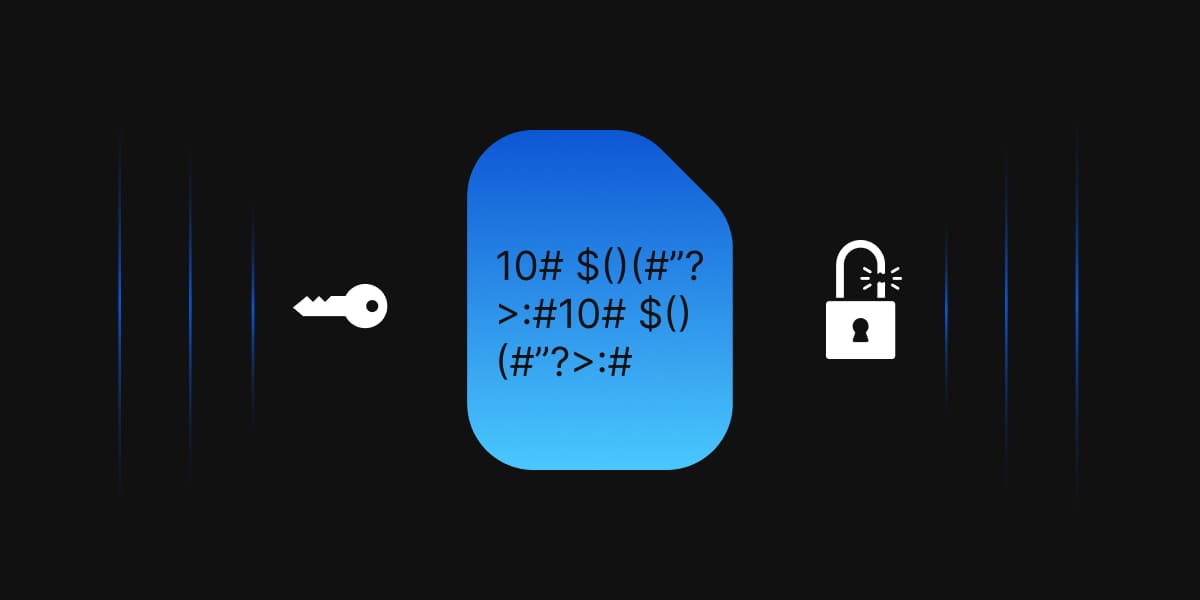
Provenance has to start where the content is created, not somewhere downstream. A signature applied at creation captures the earliest verifiable state of the content, which is what every later claim about its history gets checked against.
Provenance Chains Survive Editing and Redistribution
Content rarely stays in its original form. It gets cropped, color-corrected, and redistributed across platforms. A properly implemented provenance chain records each of these steps cryptographically, so the history survives the same journey the content itself takes.
The Four Pillars of C2PA Content Provenance
Each pillar below plays a distinct role in making content provenance verifiable rather than merely claimed.
| Pillar | What It Establishes | Why It Matters |
|---|---|---|
| Content Signing at Creation | A cryptographic signature applied the moment content is generated or captured. | Establishes the earliest verifiable state of the content before any distribution or editing occurs. |
| Provenance Chain | A cryptographically linked record of every subsequent edit or transformation. | Lets the full history of the content be verified rather than assumed complete. |
| Tamper-Evident Metadata | Origin and edit data structured so any removal or falsification is independently detectable. | Turns stripped or altered provenance data into a visible red flag rather than a silent gap. |
| Verification at Consumption | The ability for a viewer, platform, or downstream system to check the provenance chain before trusting the content. | Provenance only has value if it can actually be checked at the point someone decides whether to trust the content. |
Implementing C2PA Content Provenance in Practice
- Identify the content types and creation tools across the organization that most need verifiable provenance, starting with marketing and public-facing material.
- Integrate C2PA-compliant signing into content creation tools so provenance data is captured automatically at the point of creation.
- Maintain the provenance chain through every internal editing and approval step rather than only at initial creation.
- Preserve provenance metadata through publishing and distribution pipelines, since it is only useful if it survives to the point of consumption.
- Establish a verification process for content circulating under the organization’s brand, checking provenance before responding to disputed material.
- Train legal and communications teams on how to read and cite provenance data when addressing misattributed or manipulated content.
- Extend provenance requirements to third-party vendors and agencies producing content on the organization’s behalf.
- Periodically audit signing key custody and provenance tooling to confirm the chain of trust has not been weakened over time.
How Encryption Consulting Helps
Encryption Consulting provides the certificate and key management infrastructure that underlies C2PA signing. CertSecure Manager issues and manages the signing certificates that anchor content provenance at the point of creation, backed by the same HSM-protected key custody controls used for enterprise code signing.
Our PKI-as-a-Service offering gives marketing, legal, and security teams a shared certificate authority foundation for content signing, so provenance infrastructure does not have to be built and maintained as a separate, disconnected system.
Conclusion
Content provenance turns an unanswerable question, is this real, into a verifiable one. C2PA gives enterprises a standardized, cryptographic way to answer it, from the moment content is created through every edit and redistribution it goes through afterward.
As AI-generated content becomes harder to distinguish from authentic material, the organizations that can prove what they actually published, and disprove what they did not, will be the ones best positioned to defend their brand and their credibility.
Frequently Asked Questions
What is C2PA content provenance?
C2PA content provenance is a cryptographic standard for attaching verifiable metadata to digital content at the point of creation, recording who or what created it and tracking every subsequent edit in a tamper-evident chain.
How does signing content at creation differ from watermarking?
A watermark is typically a visible or embedded marker that can be stripped or obscured. Cryptographic signing at creation binds a verifiable signature to the content itself, so any alteration to the content or its provenance metadata can be independently detected.
What is a provenance chain?
A provenance chain is the recorded sequence of every creation and edit event applied to a piece of content, each cryptographically linked to the one before it, so the full history of the content can be verified rather than assumed.
Why do enterprises care about content provenance for misinformation and brand protection?
Enterprises face reputational and legal risk when manipulated content is falsely attributed to their brand, or when their own AI-generated content is mistaken for something else. Verifiable provenance lets an organization prove what it actually published and detect misattributed or altered content circulating under its name.
How does Encryption Consulting help enterprises implement C2PA content provenance?
Encryption Consulting provides the certificate and key management infrastructure that underlies C2PA signing, issuing and protecting the signing keys that establish content provenance at the point of creation and throughout its distribution.